January offers a variety of fruits that can elevate dishes and pair beautifully with other ingredients, as well as an array of seasonal vegetables and salad leaves that can transform your menus.
Seasonal Fruits
Blood Oranges
Blood oranges, with their striking crimson flesh and vibrant flavour profile, are in season from January through March. Originating from the Mediterranean, these citrus fruits offer a unique balance of sweetness and tartness, perfect for brightening winter menus.
Blood oranges pair beautifully with fennel, goat cheese, and walnuts. They are also excellent in cocktails, adding a delightful infusion of colour and flavour.

Blood Orange Salad with Fennel and Goat Cheese
Use sliced blood oranges as the star of a refreshing winter salad. Combine with thinly shaved fennel, peppery arugula, and creamy goat cheese, drizzled with a light vinaigrette made from olive oil, balsamic vinegar, and a touch of honey.
Pears
Pears are another excellent option during January. Varieties like Conference and Comice provide a sweet and juicy crunch perfect for winter dishes. The versatility of pears allows them to shine in both sweet and savoury applications.
Pears couple beautifully with blue cheeses, walnuts, and pecans. They also go well with honey, making them a fantastic addition to cheese boards or for drizzling over desserts.
Pear and Gorgonzola Tart
Create a delectable tart using sliced pears, Gorgonzola cheese, caramelised onions, and a flaky pastry base. Bake until golden and serve warm – it is an impressive dish that combines sweet and savoury flavours.
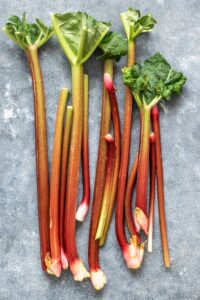
Rhubarb
Although often associated with spring, forced rhubarb is available in January and is prized for its unique sweet-tart flavour. The pink stalks are harvested by candlelight to protect their delicate flavour and colour.
Rhubarb pairs well with ginger, oats, and vanilla. It can be used in jams and sauces, and works beautifully in savoury dishes, pairing nicely with lamb or pork.
Rhubarb Crumble
Forced rhubarb creates a comforting rhubarb crumble, topped with a buttery, crumbly mix and served warm with custard or ice cream. It is a crowd-pleasing dessert that pays homage to traditional British comfort food.
Kiwifruit
Kiwi may not be the first fruit that comes to mind for winter. They are typically available year-round; however, peak season runs in the winter months. This vibrant fruit is known for its tangy flavour and unique visual appeal.
Kiwifruit works harmoniously with coconut, lime, and mint. It is a delightful addition to fruit salads or as a garnish for cocktails, adding a splash of colour and tang.
Kiwi and Coconut Sorbet
Blend ripe kiwi with coconut milk to create a refreshing sorbet that can serve as a palate cleanser or dessert. The tropical flavour of this dish is sure to brighten up the dreariest winter day.

Quince
Quinces come into season in January. Though often too hard to eat raw, they lend themselves well to cooking, transforming into sweetly fragrant dishes.
Quince pairs exceptionally well with Brie or blue cheese and complements spices like cinnamon and nutmeg.
Poached Quince in Red Wine
Simmer quince in red wine with spices such as cinnamon and star anise to create a luscious poached fruit dish. Serve it as a dessert or use it as a match for savoury dishes, enhancing the flavour of meat or cheese plates.
Clementines
Clementines are at their peak in January. Their sweetness and ease of peeling make them a favourite among consumers.
Clementine Mousse
Incorporate the bright flavour of clementines into a light and airy mousse, perfect for a winter dessert menu.
Pomegranate
Pomegranates are a jewel-like fruit that are usually in season during the winter months, providing a sweet-tart burst that can liven up salads, desserts, and beverages.
Pomegranate and Spinach Salad
Combine fresh spinach with pomegranate seeds, feta cheese, and a light vinaigrette to create a visually stunning and refreshing salad.
Persimmons
Persimmons, particularly the Fuyu variety, are available in January and offer a sweet, honey-like flavour when ripe. Their firm texture makes them versatile in different culinary applications.
Roasted Persimmons with Honey and Thyme
Roast persimmons, drizzle with honey and sprinkle with thyme for a fragrant side dish or elegant dessert.
Tangerines
Similar to clementines, tangerines are readily available in January and offer a sweet flavour, perfect for snacking or incorporating into desserts and salads.
Tangerine Olive Oil Cake
A moist cake infused with tangerine juice and zest, paired with a drizzle of olive oil, creates a unique dessert that will surprise and delight your guests.
Seasonal Vegetables
Cabbage
Cabbage is a hearty, versatile winter vegetable that is plentiful in January. Varieties such as Savoy, green, and red cabbage offer a sweet, robust flavour when cooked and can also be enjoyed raw.
Cabbage pairs excellently with ingredients like caraway seeds, bacon, and apples. It can also enhance salads when finely shredded, adding crunch and depth to the mix.
Savoy Cabbage Rolls
Fill blanched Savoy cabbage leaves with a mixture of minced lamb, rice, herbs, and spices, then bake in a rich tomato sauce. This comforting dish is a delightful way to welcome winter flavours to your menu.
Brussels Sprouts
Brussels sprouts are a quintessential winter vegetable that peak in January. Known for their unique nutty flavour, they can elevate a variety of dishes.
Brussels sprouts marry beautifully with chestnuts, pancetta, and citrus flavours such as orange and lemon. They work well with pomegranate seeds for a refreshing touch.
Roasted Brussels Sprouts with Chestnuts and Bacon
Toss halved Brussels sprouts with olive oil, salt, and pepper before roasting them alongside some crispy bacon and roasted chestnuts. This dish combines rich flavours, perfect for an inviting starter or side.
Leeks
Leeks are a staple of British cuisine that shines throughout the winter months. Their mild, sweet flavour makes them an excellent foundation for various dishes.
Leeks pair very well with potatoes, cream, and cheese, as well as herbs like thyme and parsley. Use them in quiches for a savoury treat.
Creamy Potato and Leek Soup
Craft a comforting soup by sautéing leeks and potatoes in butter, then simmering with vegetable stock until tender. Blend until smooth and finish with a splash of cream for a luxurious touch.
Parsnips
Parsnips make their grand appearance in January, boasting their sweet, earthy flavour amplified by frost. They are perfect for hearty winter dishes.
Parsnips work beautifully with honey, thyme, and nutmeg. Purée with potatoes for a creamy mash or include them in a root vegetable medley.
Honey-Roasted Parsnips
Toss parsnips with honey, olive oil, and fresh thyme, then roast them until golden brown. Serve as a side dish alongside roasted meats or as a centrepiece on vegetarian plates.
Winter Salad Leaves
While many salad greens are typically associated with warmer months, certain varieties thrive in the cooler temperatures. Look for winter salad leaves such as winter purslane, lamb’s lettuce, and red frisée.
These winter salad leaves pair well with citrus fruits, nuts, and rich dressings. They add freshness and texture to heartier winter dishes.
Mixed Winter Salad with Winter Purslane and Citrus
Combine fresh winter purslane with segments of blood oranges, avocado, and toasted walnuts for a colourful and refreshing winter salad. Drizzle with a citrus vinaigrette for an added tang.
Radicchio
Radicchio, with its vibrant red colour and slightly bitter flavour, is in season during the winter months, offering a sophisticated touch to salads.
Grilled Radicchio with Balsamic Reduction
Grill radicchio wedges until slightly charred and drizzle with a balsamic reduction before serving. This dish offers a delightful balance of bitterness and sweetness.
Mâche / Lambs Letuce
This delicate winter salad green offers a mild, nutty flavour, making it an excellent choice for salads and garnishes.
Mâche Salad with Roasted Beetroot and Goat Cheese
Combine mâche with roasted beetroot, crumbled goat cheese, and walnuts for a visually appealing and delicious salad drizzled with a balsamic vinaigrette.
Cavolo Nero
Cavolo Nero is a staple in Tuscan cuisine. Its robust flavour holds up well in various preparations and is rich in nutrients.
Cavolo Nero and White Bean Stew
Simmer cavolo nero with cannellini beans, garlic, and tomatoes for a hearty stew which is perfect for winter. Serve with crusty bread for a filling meal.
Salsify
Known as ‘the oyster plant‘, salsify has a unique flavour reminiscent of shellfish and is available in January. The root is versatile and lends itself to various cooking methods.
Salsify Gratin
Prepare thinly sliced salsify and layer with cream, cheese, and nutmeg, then bake until golden and bubbling. This dish can be a rich side or a luxurious vegetarian main.