We are halfway through 2026, and so far, we have had two record-breaking heatwaves with more forecast to come.
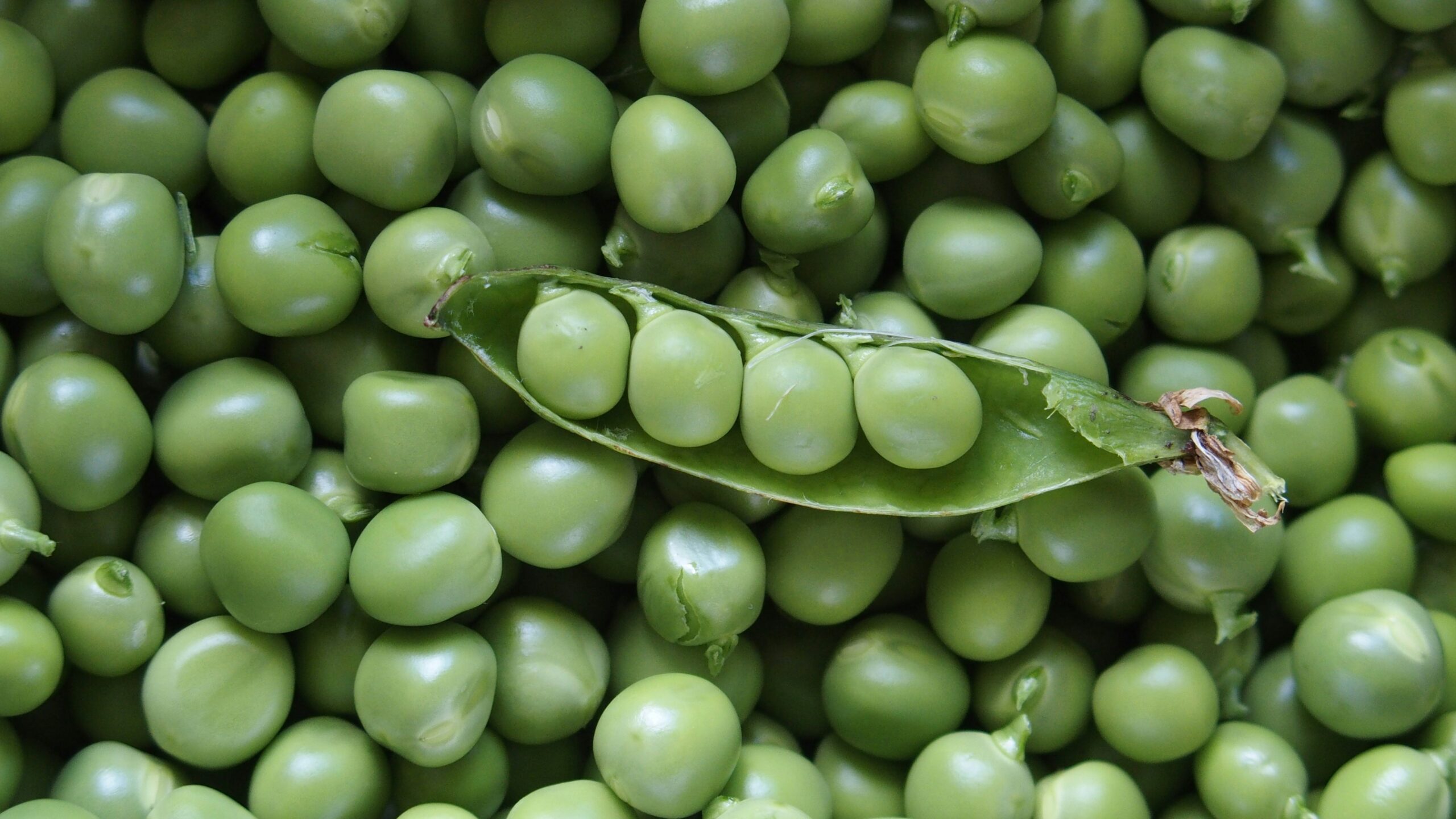
The most recent heatwave, in which temperatures reached record highs of 36.7°C, is likely to have an adverse effect on peas, lettuce, asparagus and watercress, among other crops.
Professor Nicola Cannon, professor of agriculture at the Royal Agricultural University, said: “Extreme heat fundamentally disrupts how crops grow and function.”
High temperatures can lead to increased evaporation, which causes plants to lose water more rapidly than their roots can replenish it. This can result in wilting, as plants close the tiny pores in their leaves to conserve water. This behaviour reduces the uptake of carbon dioxide and slows down the process of photosynthesis.
The dairy industry has also come under pressure as animal welfare during the heat was and is a huge concern, plus increased milk yields decrease as cows eat less in high temperatures.
Plus, Jez Fredenburgh, senior food and climate analyst at the Energy and Climate Intelligence Unit, has warned of potential chicken shortages due to heat stress.
The heat isn’t just impacting soils, crops and livestock. The shortages are causing prices to inflate. And the problem isn’t just with UK foods, with recent price increases to corn, beef, olive oil, cocoa, and coffee.